The Streamliner Years
Written by the MIdwest Rail Rangers
E-mail: info@railrangers.org
This article is (c)2019 Midwest Rail Rangers Corporation. This website is operated for information purposes only and has no affiliation with any heritage railroad, Amtrak, Budd Company, or any other organization besides the Midwest Rail Rangers.
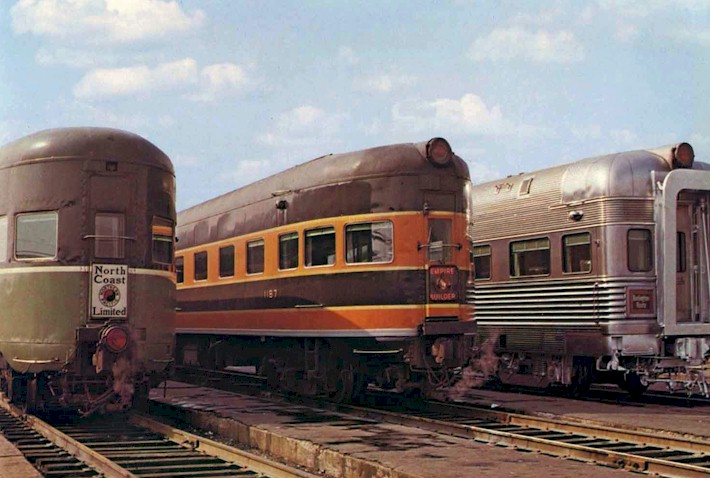
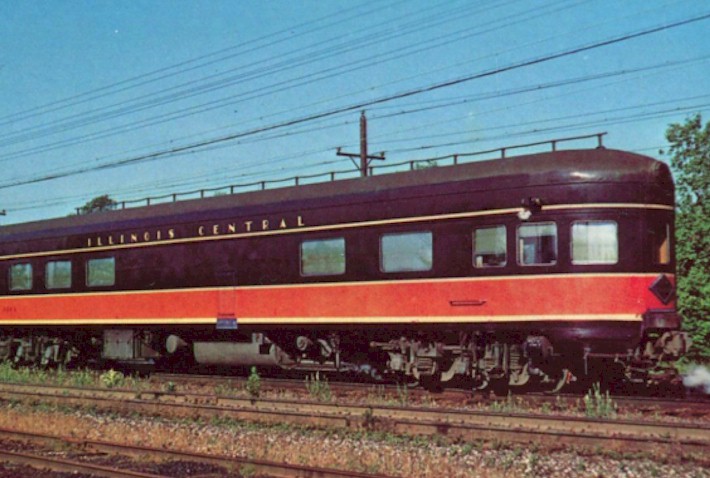
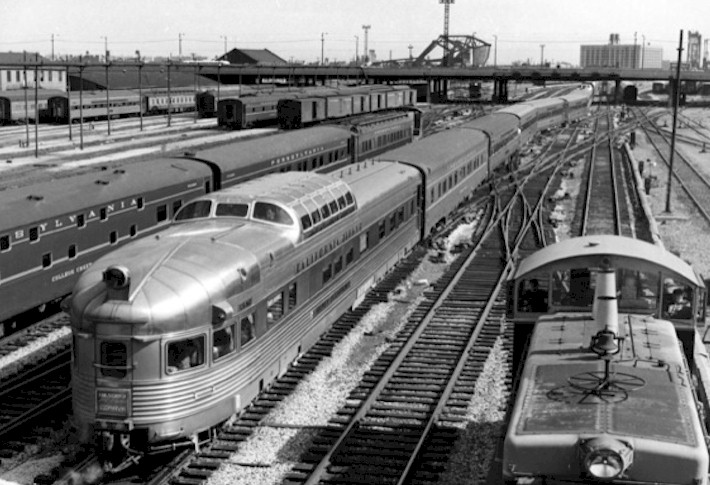
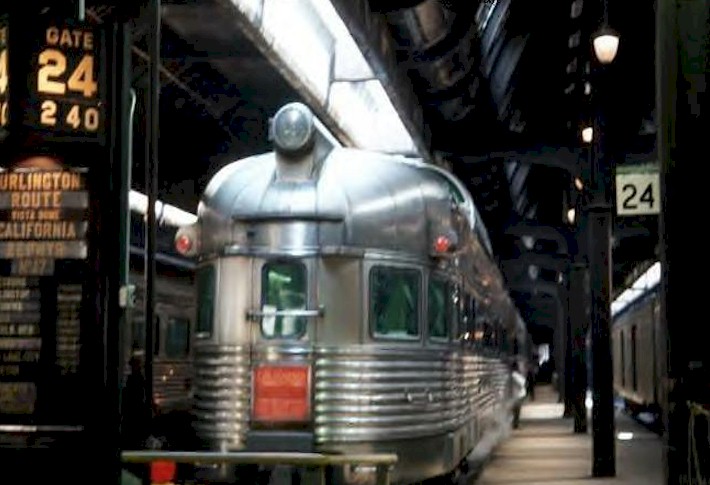
It was not until the Streamliner Era that the observation lounge car is probably best remembered. With the development of lightweight, streamlined equipment, observation lounges completed the look with almost all designs featuring a type of rounded-end.
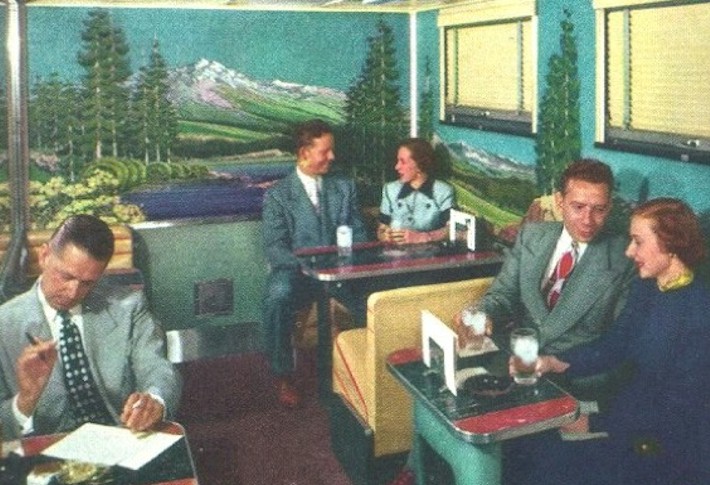
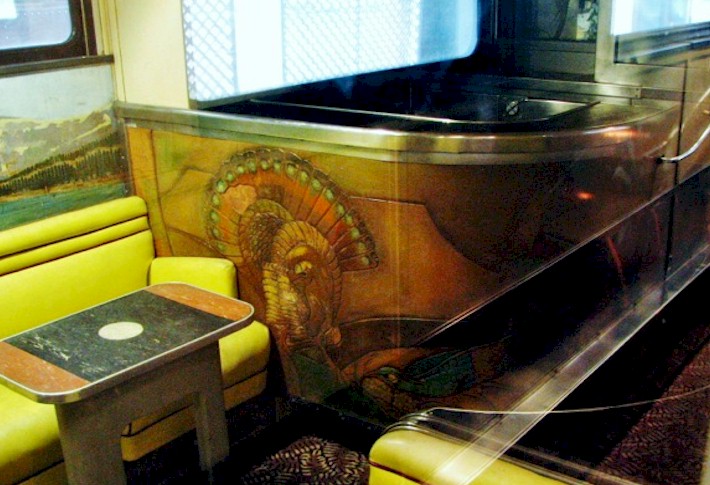
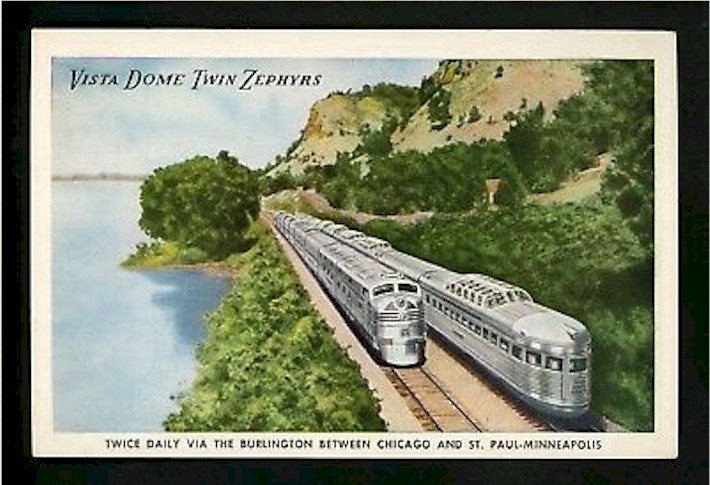
Some railroads chose to design or build their own observation cars --- most notable was the Milwaukee Road. When they introduced the regional streamliner, Twin Cities Hiawatha, in 1935. The train operated a unique "Beaver Tail" observation lounge car, which featured a sloped rear end, thus giving the car its unique name. Around the same time, the Chicago, Burlington & Quincy (CB&Q) Railroad began to feature an observation lounge for maximum viewing and an enhanced sightseeing experience. The CB&Q twin Nebraska Zephyr train sets were built in 1936 by the Budd Company and included a cocktail lounge, a parlor lounge car, and a parlor-observation lounge car. A decade or so later, The Milwaukee Road introduced the transcontinental Olympian Hiawatha train with perhaps the most exotic observation car ever built, the famed Sky Tops. Configured as sleeper-lounge cars, the Sky Tops were designed by famed industrial designer Brooks Stevens with the rear of the cars featuring a beautiful solarium lounge that afforded passengers unprecedented views of everything passing by outside.
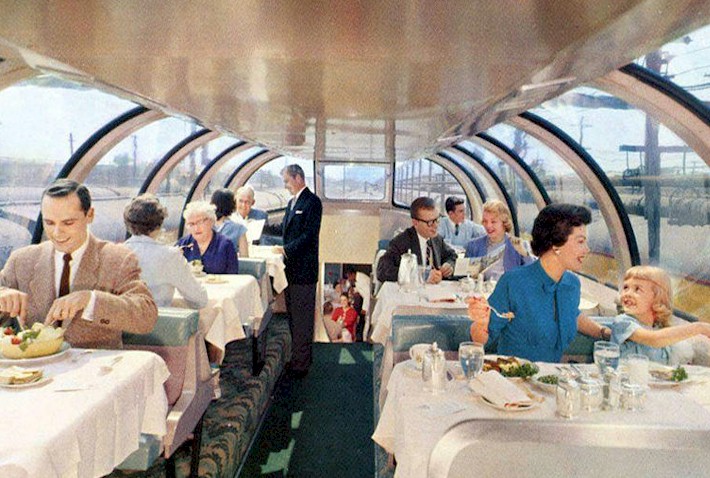
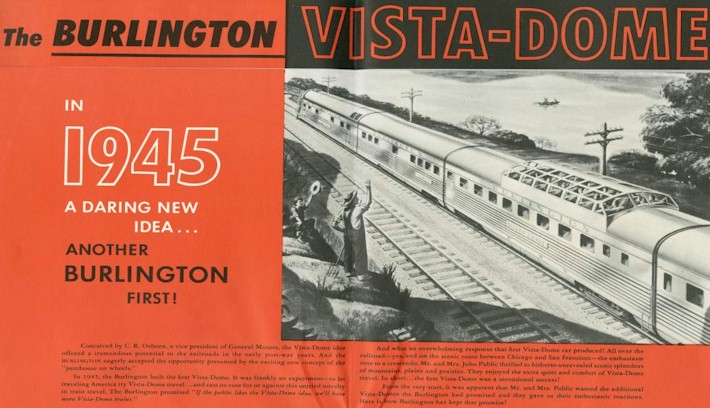
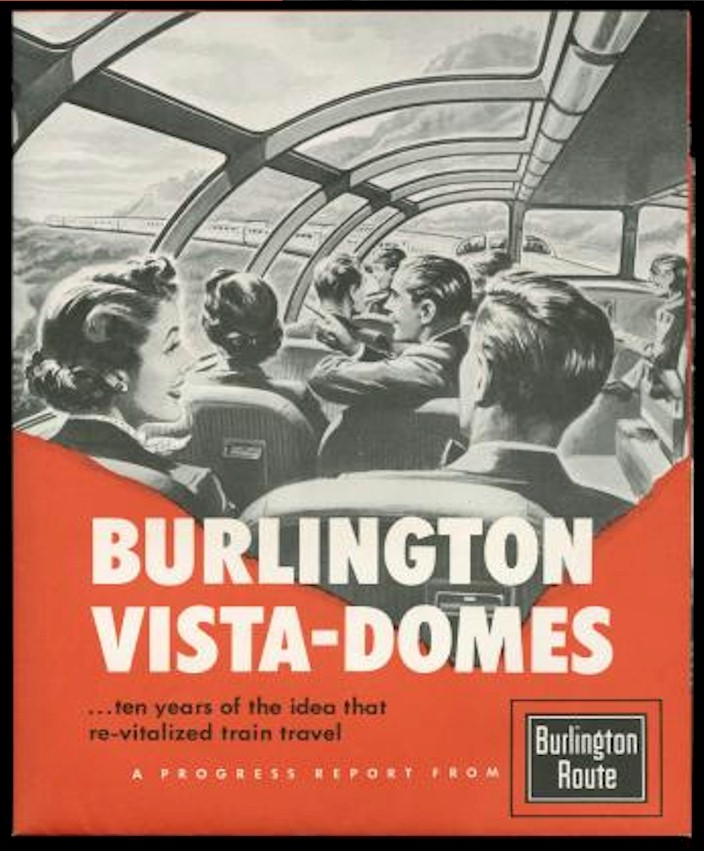
By the mid-1950's, almost every major railroad who operated passenger service in the western United States had its own version of a domed observation lounge car. Domes were mostly featured on passenger trains of the western railroads due not only to the wide open vistas afforded... but also because height restrictions were not such an issue as they were back east. The design of the first successful dome lounge car came about in the mid-1940's. Cyrus Osborn, vice president and general manager of General Motors' Electro-Motive Division, conceived what he dubbed a Vista Dome car built from a Budd Company coach. It featured a second-floor solarium for an unprecedented 360 degree view of the surrounding landscape.
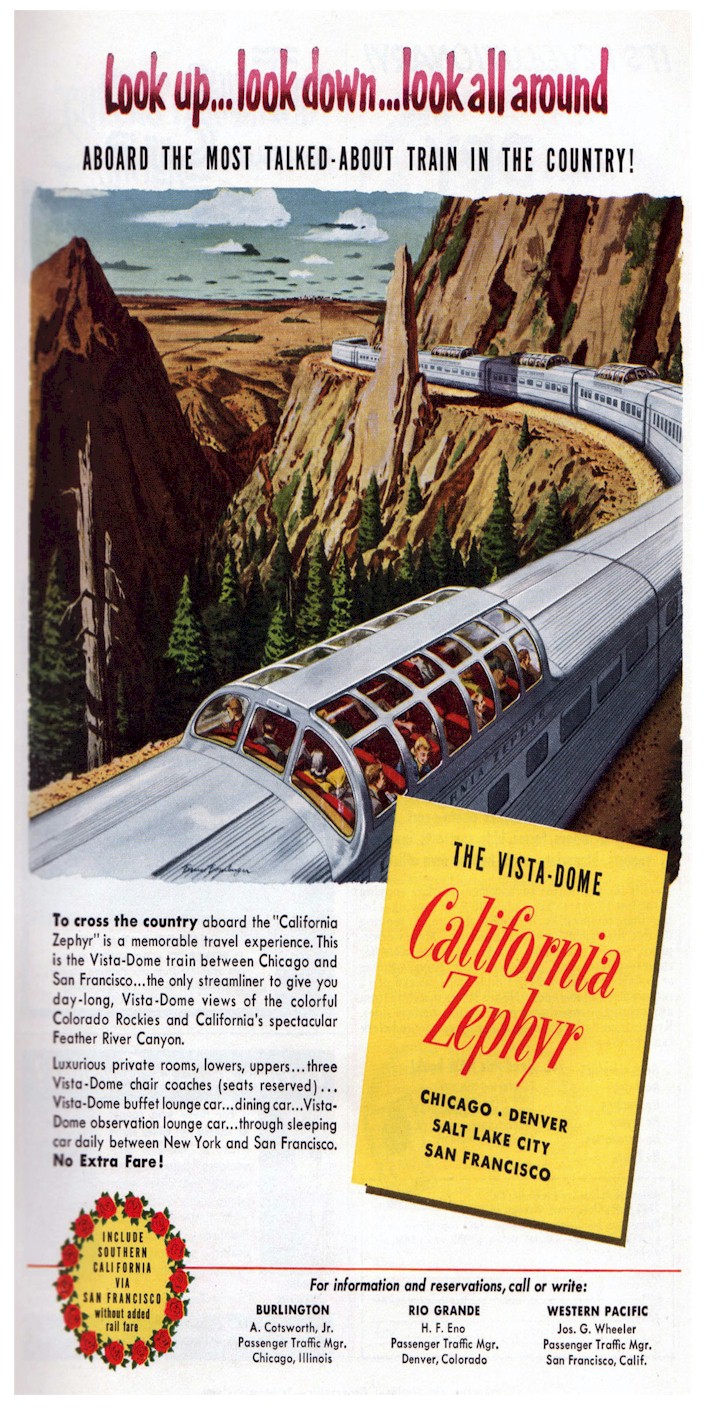
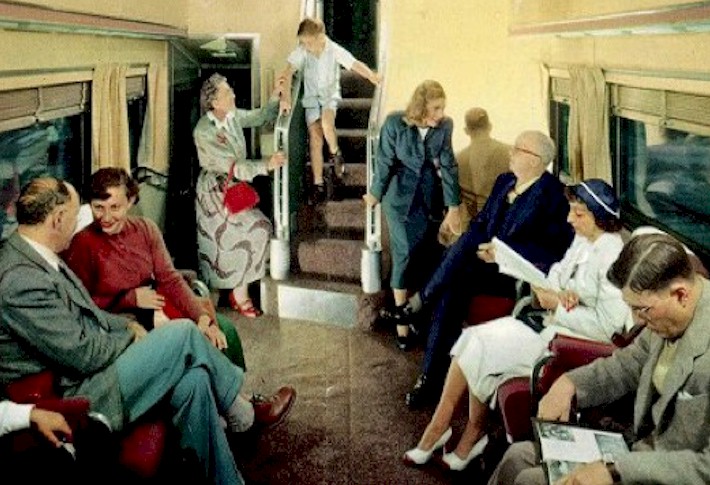
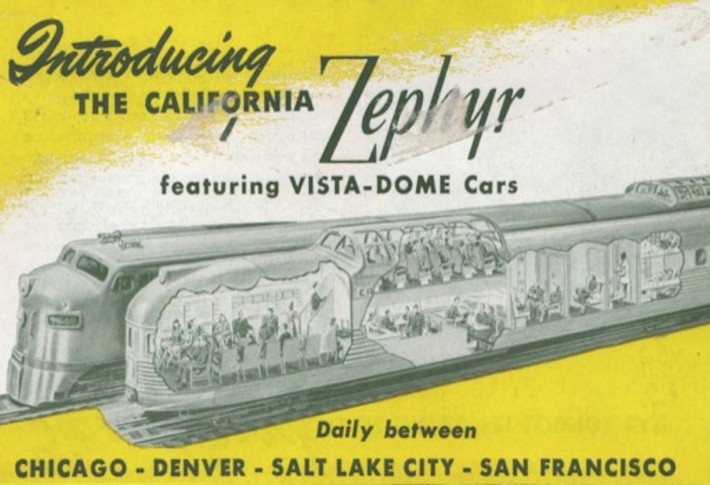
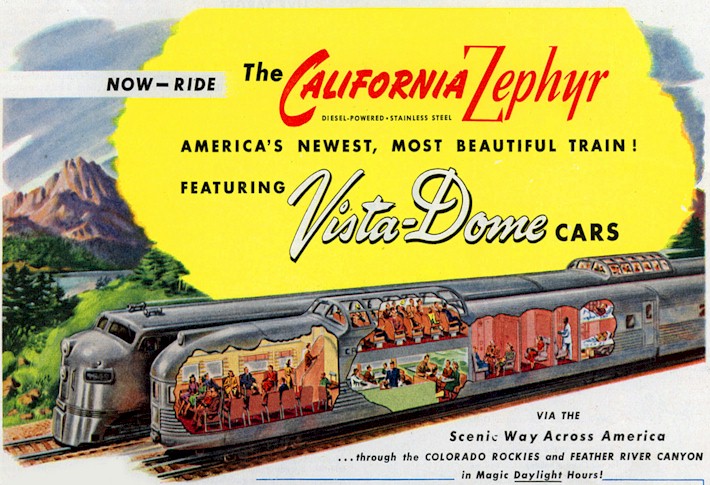
By the 1950's, dome cars were all of the rage and almost all named trains across the country carried some type or design of them. Vista-Domes became a trademark on passenger trains of the CB&Q and particularly the California Zephyr, which used dome cars almost exclusively so that passengers could be afforded maximum views of their trip through the Rockies and Feather River Canyon. During the California Zephyr’s "Golden Years" between 1949 and 1970, each train was equipped with no less than five of these cars, very uncommon for even the most popular trains of the day. For even better sightseeing these Vista-Domes were setup in everything from diners to sleepers. What's more… the train’s timetable was arranged in such a way that it always traveled through the most scenic parts of the trip (west through Colorado) during the day so passengers did not miss a thing at night or while sleeping.
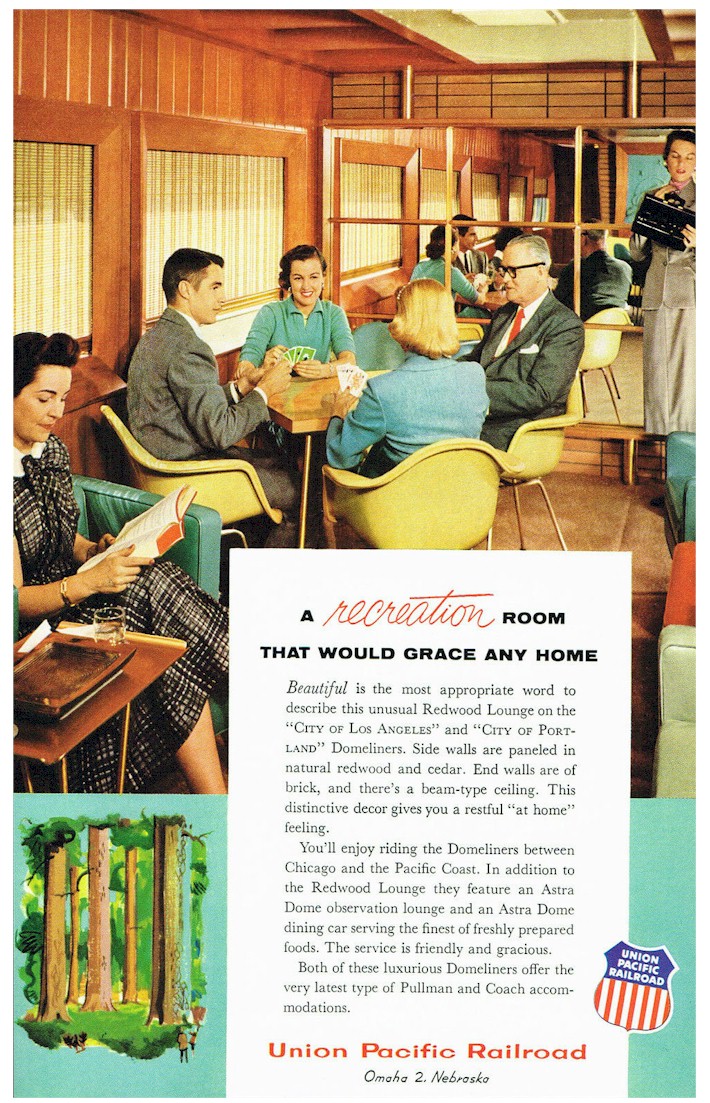
Meanwhile, the Union Pacific operated Domeliners, in which they featured dining services among other things.
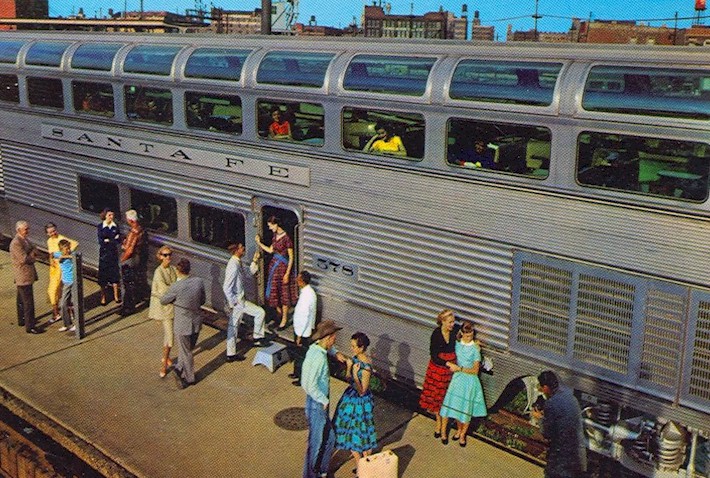
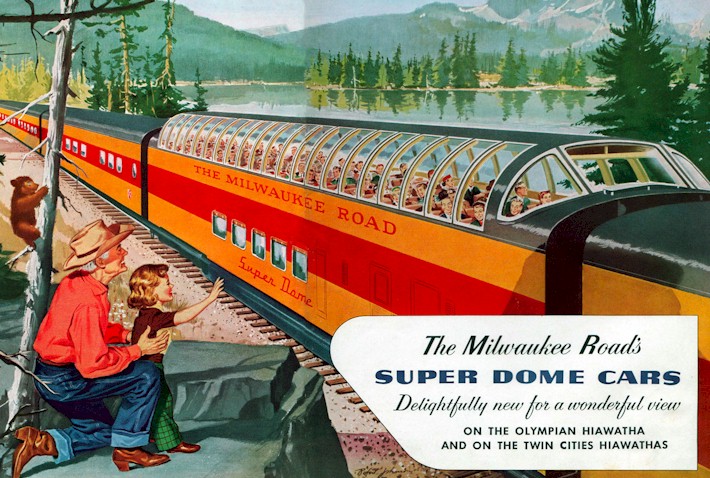
The Milwaukee Road and Santa Fe operated Super Domes (the Santa Fe also operated Pleasure Dome lounges and Hi-Level cars on its El Capitan with second floor glass ceilings).
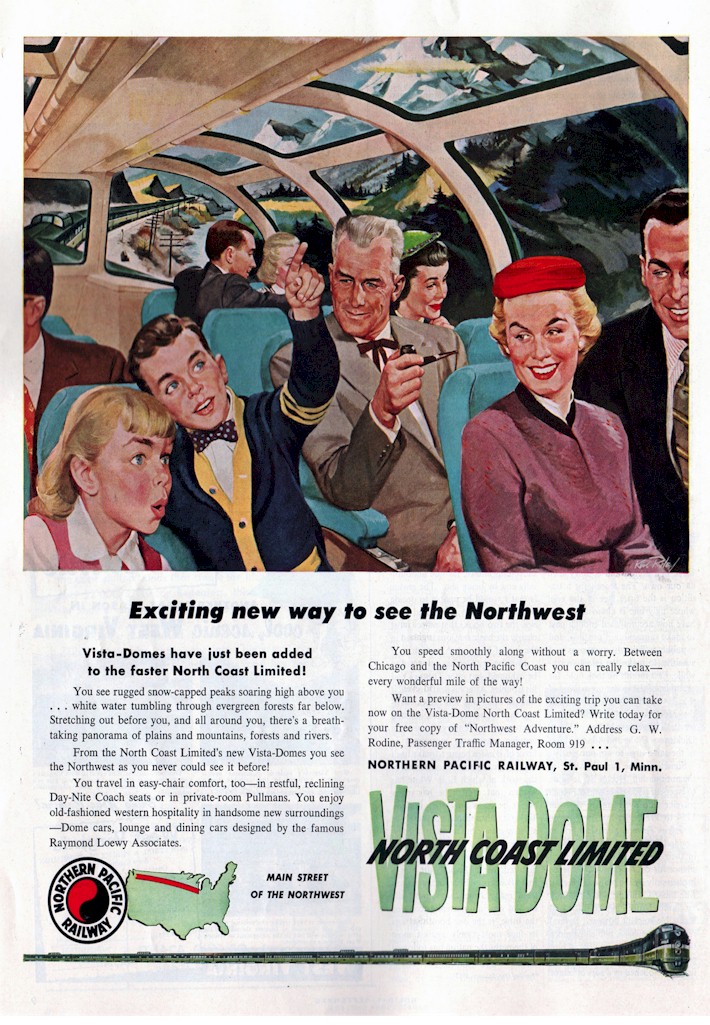
The Great Northern offered passengers full-length Great Domes, while the Northern Pacific used the aforementioned Vista-Domes.
With passenger rail travel waning in the 1960's, railroads began to cut back on service wherever and whenever they could. As a result, many train routes that operated domes and other high-end lounge cars lost the cars due to curb operating expenses. (We heard from some ex-Milwaukee Road employees it wasn't cheap to cool down or heat up the Super Dome Cars back in the day!) The cold-hard fact was many lounge cars served as an "extra perk" for First Class passengers, or an alternate venue to sit in --- but in many cases --- the lounge cars did not feature actual revenue seating, which was really all that mattered to railroad executives looking at the bottom line from their struggling passenger service.
This page is maintained by the Midwest Rail Rangers. If you enjoyed the content, please consider making a donation to our 501(c)(3) non-profit organization. Click the link below; even the smallest amounts help our research, web design, and domain hosting.